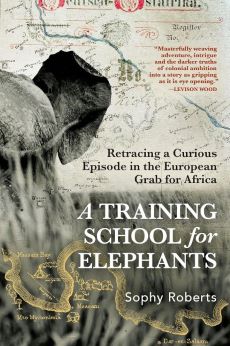
Author Sophy Roberts has new nonfiction coming out in April, A Training School for Elephants. It’s a travel and history narrative based on Belgium King Leopold II’s decision in 1879 to train African elephants. He believed therein existed the secret to plundering Africa’s resources. He ordered four tamed Asian elephants to be shipped from India to the East African coast, and then marched inland towards Congo. Roberts pieces together the story of this long-forgotten expedition.
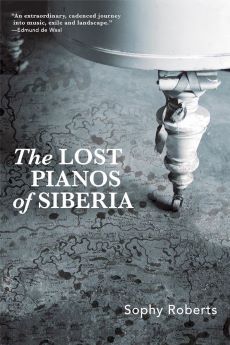
Reading about this forthcoming book has led me to Roberts’ previous book, this one following the travels of pianos throughout Siberia. I have a soft spot for pianos, given my history with the instrument, so it’s not surprising The Lost Pianos of Siberia is now on my kitchen counter. From the dust jacket:
Dotted throughout this remote land are pianos—grand instruments created during the boom years of the nineteenth century, as well as humble Soviet-made uprights that found their way into equally modest homes. They tell the story of how, ever since entering Russian culture under the westernizing influence of Catherine the Great, piano music has run through the country like blood.
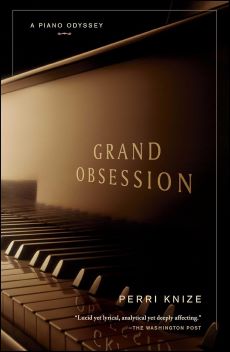
Also in the photo lineup above, just because, one of my favorite books, by Perri Knize, her memoir Grand Obsession about taking piano lessons midlife, and her quest to find the perfect piano. I gave it to my piano tuner, and he loved it too. The description says:
…reminds us that reason can’t always account for what calls to us, but answering that call can lead to life’s most profound experiences.
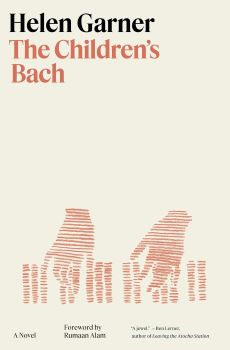
This week, I finished reading what’s considered Helen Garner’s masterpiece, The Children’s Bach. The title comes from the piano book from which the novel’s character Athena Fox plays her music in the kitchen. The Fox family includes Athena’s husband Dexter and her sons Arthur and Billy, the latter severely mentally disabled. They live a messy, fun family life in a cluttered hutch of a house, laundry hanging outside to dry, all the doors open for the world to enter. It’s a good life, and then an old friend of Dexter’s from college years shows up: Elizabeth, plus her lonely much younger sister Vicki, and Elizabeth’s sexy, self-centered boyfriend, Philip. It’s an impressive story of family life, written with sharp scenic clarity and emotional nuance that took a few pages for me to like, which I did immensely thereon. The tragedy occurs via Elizabeth and Philip’s free-spirited living that challenges Athena’s thinking about her family life, and emotionally ruins Dexter. It’s just right at 160 pages, like a perfectly played Bach Invention.
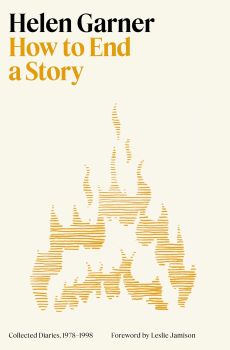
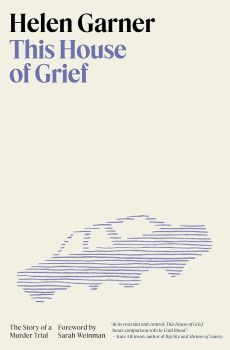
Helen Garner’s diaries How to End a Story will be released next month in one volume. They’re already available in three separate volumes, so one needn’t wait. I like Garner, an acclaimed Australian author. She won me over with This House of Grief: The Story of a Murder Trial in which she follows a dramatic court case that obsessed Australians. On Father’s Day, Robert Farquharson’s car veered off the road and plunged into a dam. He survived, but his three sons drowned. He was accused of murder as revenge against his wife who wanted a divorce, but he claimed what happened was an accident. (Highly recommended.)

I didn’t intentionally start reading this book of linked short stories by Irish author Maggie Armstrong. I was in the kitchen, waiting for something to cook and casually picked it up, an advanced reading copy sent to me by the publisher. I had other books lined up to read, but the narrator of all the stories in Old Romantics hooked me. In her 20s and 30s, she delivers a wry, comic perspective of her romantic ideas while dating all the wrong men. She’s well aware of the split between her idealization of circumstances — movie moments to fit her hopes — and the reality experienced — the older, adventurous man who tells her she has the face of a prawn.
Her name is Margaret, and she’s in no way a victim to her inconsiderate, selfish dates, rather ridiculously in control, whether we’re reading about an indifferent male housemate or the sexual clumsiness of a potential boyfriend so high he can’t remember her name. (“I had flown all the way to the heavenly place, only to find it was a backwater,” she says.) I don’t feel like I can adequately capture the humor in Margaret’s magnetically charged voice (about the prawn or backwater), so I guess you’ll have to trust me. As I’m writing about it, I’m halfway through the book and remain curious about her spirited observations. Margaret is currently engaged, pregnant, and heading into mid-life.
Book News
There’s a new (true) crime series called 50 States of Crime. It’s written by French journalists and then translated into English. Published by Crime Ink, it consists of pocket-sized paperbacks that highlight a major true crime case from each state in the Union. Interesting that it’s French journalists penning the books, which the publisher says “provide a fresh perspective and outsider’s view on some of our country’s most memorable crimes.” The first book now available is The Alice Crimmins Case by Anaïs Renevier. The International Booker Prize announced its longlist of 13 books this week. The prize celebrates the best works of long-form fiction or collections of short stories translated into English and published in the UK and/or Ireland. The shortlist of six books will be announced on April 8, the winner May 20. Usually I’ve read one or two of the nominees on the longlist, but not this year.

 The Longest Chapter
One thought on “Sophy Roberts’ travel stories plus Helen Garner’s masterpiece and diaries”